
Iraq’s September 30 Weapons-Consolidation Deadline: Faction Positions, Government Options, and Post-Deadline Scenarios
- August 12, 2026
- Posted by: Syria Monitor
- Categories: Armed Groups, Iraq, RESEARCH, Security & Conflict, SITUATION ASSESSMENT
No Comments
Published by Syria Monitor — Strategic Research Center
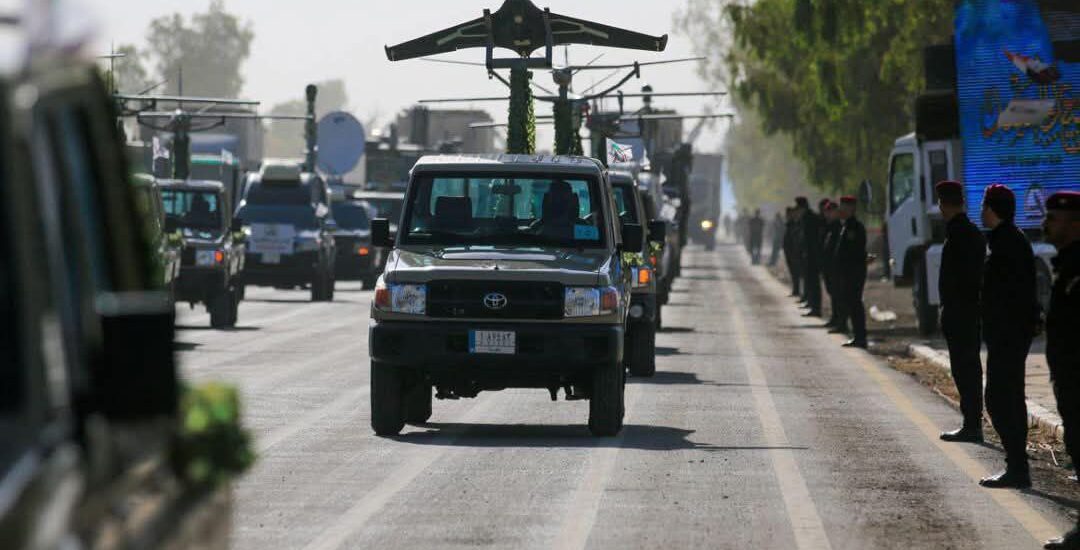
This study, issued by Syria Monitor — Strategic Research Center, offers an analytical reading of the September 30, 2026 deadline set by the Iraqi government to bring all weapons under exclusive state control. It focuses on the positions of the refusing factions, the options available to the government, and the likely political and security scenarios once the deadline lapses.
The study examines the distinction between actual disarmament and re-integration of weapons within the Popular Mobilization Forces (PMF) framework, and analyzes the prospects for settlement, extension, and escalation, along with the implications of each path for Iraq’s stability, sovereignty, and regional relations.
The question of weapons operating outside state authority has been one of the most complex files in Iraq since 2003, owing to the interplay of security, political, sectarian, and regional factors, and to the transformation of a number of armed groups from informal military formations into forces possessing political wings, parliamentary blocs, economic institutions, and extensive social and media networks.
This complexity deepened after the PMF was established in 2014 to confront ISIS, and following the passage of PMF Law No. 40 of 2016, which granted the PMF official status as part of the Iraqi armed forces and placed it under the Commander-in-Chief of the Armed Forces. Yet this legal transition did not necessarily end the de facto independence of several factions, many of which retained their internal leaderships, external relationships, weapons depots, funding channels, and capacity to make military decisions independent of the government.
As a result, Iraq now faces two overlapping tiers of armed formations: the PMF as an official institution, and factions that hold brigade designations and numbers within the PMF while retaining an independent organizational, ideological, and command identity. Smaller groups and networks also operate entirely outside the official framework, or use temporary names to carry out attacks that the main factions do not directly claim.
For this reason, the phrase “disarming the PMF” does not accurately describe the current process. According to its official rhetoric, the Iraqi government is not moving to dissolve the PMF or strip all of its brigades of weapons; rather, it seeks to end the duality of arms and decision-making, and to prevent factions from carrying out operations inside or outside Iraq without the approval of the Commander-in-Chief of the Armed Forces.
The September 30, 2026 deadline arrives amid domestic and regional conditions that differ from earlier attempts. The Iraqi government has come under growing pressure as a result of attacks launched from Iraqi territory against American interests and neighboring states, followed by strikes targeting sites and personnel linked to the factions. The decline of Iran’s influence in parts of the region, and the fall of the Syrian regime in December 2024, have also weakened part of the supply and geographic-linkage routes the Iraqi factions once relied on.
At the same time, the refusing factions still retain significant sources of strength inside Iraq. They are not isolated groups that can be dismantled by administrative decision; they form part of a broad political, security, and economic system, with a presence in parliament, in government, and across state institutions. Some also possess combat experience, missile and drone capabilities, and dispersed networks that are difficult to fully map.
Accordingly, the coming confrontation is not solely about weapons, but about the factions’ place within the Iraqi system and the government’s ability to shift a balance that has taken shape over the past decade. Any serious attempt to dismantle the independent military structure will affect the factions’ political and financial influence, and could push them to use multiple tools to obstruct the process — beginning with political and media pressure and not stopping at security threats or street mobilization.
This study examines how seriously the September 30 deadline should be taken, the positions of the leading factions toward it, and the state’s capacity to enforce it, with particular attention to the nature of the refusal voiced by the formations most closely tied to the “Axis of Resistance,” and the paths these disputes may follow should negotiations fail or the government attempt to impose its decisions by force.
The study draws on official data issued by the Iraqi government, the State Administration Coalition, and the PMF, alongside the positions of the factions and their political and military leaderships, local and international press reporting, and information from sources and the network of Syria Monitor researchers and correspondents in Iraq and the wider region.
The study distinguishes between three tiers of information:
• Positions or measures officially announced by the government or the factions.
• Information attributed to political and security sources for which no official announcement has been made.
• Analytical assessments based on faction behavior and the experience of previous Iraqi governments.
It also distinguishes between four concepts that are sometimes treated as a single process:
• Weapons handover: transferring arms to depots managed by the government or the PMF.
• Integration: bringing personnel and units into an official institution and a government chain of command.
• Dismantlement: ending the independent organizational structure and halting separate recruitment, funding, and command.
• Actual disarmament: a faction’s loss of independent access to weapons or the ability to issue a decision to use them.
The September 30 Deadline and What the Timing Signals
The Iraqi government set September 30, 2026 as a final deadline for ending armed activity outside state institutions. The choice of date does not appear disconnected from the expiration of the international coalition’s mission, which the refusing factions have used as their principal justification for retaining their weapons.
The government’s approach rests on the premise that the end of the coalition mission should remove the need for factions to bear arms under the banner of resisting foreign forces. After that date, any continuation of military activity outside state orders becomes an unlawful act that cannot be justified by the presence of foreign troops.
The State Administration Coalition raised the level of warning when it announced that any armed activity outside the framework of the state after the deadline would be dealt with under applicable law, including the anti-terrorism law. This message carries added weight because it did not come from the government alone, but from a coalition encompassing Shia, Sunni, and Kurdish political forces, with executive, legislative, and judicial leaders present.
Yet the declared wording leaves considerable room for interpretation. It refers to “armed conduct” outside the state without detailing the mechanisms for collecting weapons or the bodies that will handle inspection and storage, nor does it clarify the fate of the factions’ political and economic wings, or how to deal with weapons and premises that were never officially registered.
Nor has the government yet announced a fully integrated implementation plan specifying:
• Which factions are clearly covered by the deadline.
• The types of weapons required to be handed over.
• The sites and depots that will receive the weapons.
• The fate of faction personnel and commanders.
• The mechanisms for verifying full handover of arsenals.
• The penalties to be imposed on parties that refuse.
• The military body that will enforce decisions in the event of armed refusal.

The absence of these details suggests that, for now, the deadline carries more of a political and deterrent character than that of a fully engineered technical disarmament program. The government may have set a final date to push the factions toward negotiation and a gradual settlement, rather than to launch a broad military operation the moment the deadline expires.
The timing is also tied to the government’s need to demonstrate its ability to prevent Iraq from becoming an arena for confrontation between Iran, the United States, and regional states. Continued attacks launched from Iraqi territory could expose the country to external strikes, financial sanctions, and economic pressure, and threaten its relations with Gulf states.
The deadline therefore tests three interconnected issues:
• The government’s ability to monopolize military decision-making.
• The capacity of political forces to provide internal cover for confronting the factions.
• Iraq’s ability to avoid becoming a new arena of regional confrontation.
Why Do Some Factions Refuse to Hand Over Their Weapons?
Faction refusal does not rest on a single reason, but on a combination of ideological, military, political, and economic motives. For these groups, weapons are not merely a means of confronting a security threat — they are the foundation of their influence within the state and society.
1. The Doctrine of the “Weapons of Resistance”
Kata’ib Hezbollah, Harakat al-Nujaba, and a number of other factions consider their weapons tied to confronting the American military presence and Israeli threats, not exclusively to fighting ISIS. Accordingly, the end of the coalition mission in its current form may not be sufficient to persuade them to relinquish their arms.
These factions may redefine the concept of “foreign presence” to include American advisers, intelligence cooperation, or the use of Iraqi airspace by foreign aircraft — allowing them to argue that the reasons for retaining weapons have not actually ended after September 30.
Some factions also describe their weapons as tied to a doctrinal and religious mandate that transcends government decisions, making negotiations over them far more complex than negotiating with an armed group driven purely by local interests.
2. Fear of Losing Political Influence
Weapons have given the factions political weight far exceeding their electoral representation, allowing them to shape government formation, the distribution of posts, and security and foreign-policy decisions. Some leaderships therefore view disarmament as the beginning of a decline in their political influence.
The factions have no guarantee that surrendering their weapons will preserve their standing as influential players within the political system, especially if it is accompanied by scrutiny of their economic dealings or the removal of their personnel from security institutions. They will therefore seek political, financial, and legal guarantees before carrying out any genuine handover.
3. Protecting Economic Networks
The strength of several factions is tied to economic networks encompassing companies, offices, commercial outlets, public contracts, and smuggling or unofficial-levy activities. Weapons provide protection for these interests and limit the ability of oversight and judicial bodies to approach them.
The factions may therefore view disarmament as opening the door to dismantling their funding sources, not merely ending their military wing — which helps explain why the confrontation could shift from the security file into government institutions, the budget, border crossings, and public contracts.
4. Distrust of the Government and the United States
The factions fear that handing over weapons could be a first step followed by arrests, sanctions, or targeting of their leaders. They also fear that some Iranian-supplied weapons — particularly drone and missile technologies — could pass into the hands of Iraqi bodies in a way that gives the American side visibility into them.
Some factions may therefore agree to hand over limited or older weapons while keeping high-value arms at secret sites. They may also demand that the PMF, rather than the army or the Counter-Terrorism Service, be the body that receives the weapons.
5. The Link Between Weapons and the Regional Balance
Iran treats the Iraqi factions as part of its regional deterrence system. Fully disarming them would mean Tehran losing one of its most important tools outside its borders, particularly after the changes seen in Syria and Lebanon.
Iran is therefore likely to accept a reorganization of the factions or a lower public profile, but will oppose the total loss of their military capabilities. It may push for retaining small, specialized units for missiles, drones, and communications, even if some of the larger formations are formally dissolved or merged.

Mapping the Refusing Factions and Their Options After the Deadline
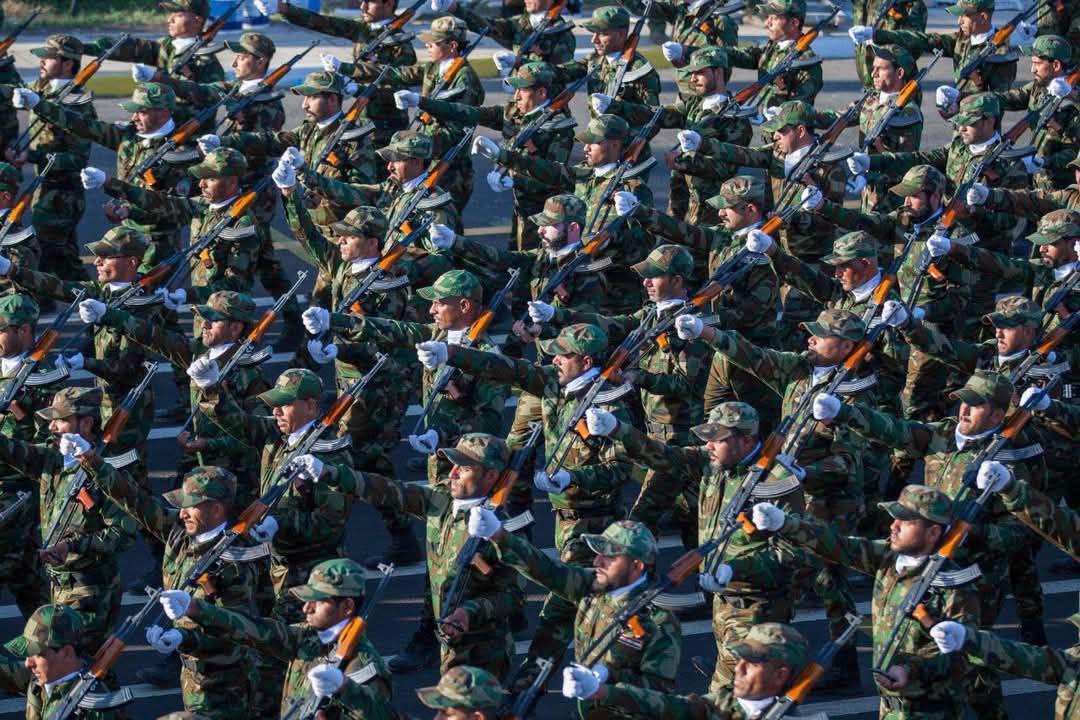
The factions rejecting the September 30 deadline do not hold a uniform position in terms of the degree of refusal or their capacity to confront the government. Although united under the rhetoric of “weapons of resistance,” each faction has its own calculations, political influence, military capabilities, and appetite for bearing the cost of confrontation.
Available information indicates that Kata’ib Hezbollah and Harakat al-Nujaba represent the most hardline wing, while Kata’ib Sayyid al-Shuhada retains a wider margin for negotiation, and Harakat Ansar Allah al-Awfiya generally moves within the broader position of the larger factions.
This does not mean the factions will enter a unified confrontation with the government. Differences in political and economic interests, and fear of sanctions or external strikes, may push some toward settlement while others continue to refuse or move into clandestine activity.
1. Kata’ib Hezbollah: The Firmest Center of Refusal
Kata’ib Hezbollah is among the Iraqi factions most closely tied to Iran, with long experience in military and security operations and capabilities in missiles, drones, and undeclared operations. Its influence extends beyond its direct military formations through relationships with brigades, figures, and institutions operating both inside and outside the PMF.
Its position carries particular weight because other factions regard it as a military and ideological pillar within what is known as the “Iraqi Resistance Coordination Committee.” Its agreement to any settlement could open the way to a broader accord, while its refusal provides cover for smaller factions to hold onto their weapons.
The group has explicitly stated that its weapons are “not for handover,” linking their retention to continued American and Israeli threats and to strikes that have targeted faction sites. Its leadership has spoken not only of refusing to hand over weapons but of developing its arsenal and maximizing its military capabilities — a direct challenge to the government’s course.
This rhetoric suggests Kata’ib Hezbollah does not view the September 30 deadline as a purely internal Iraqi decision, but as part of American pressure aimed at dismantling the military capabilities of Iran’s axis. From this standpoint, it may regard a full concession to the government as a threat to its existence and identity, not merely a reorganization of its weapons.
Even so, the hardline tone does not mean the group will choose direct military confrontation the moment the deadline expires. Its more likely path is to accept partial measures, such as:
• Vacating or closing some public offices and premises.
• Handing over limited quantities of old or already-registered weapons.
• Transferring part of its heavy weaponry to PMF-affiliated depots.
• Redistributing personnel among official brigades and formations.
• Reducing its military presence within cities.
• Freezing external attacks for a specified period.
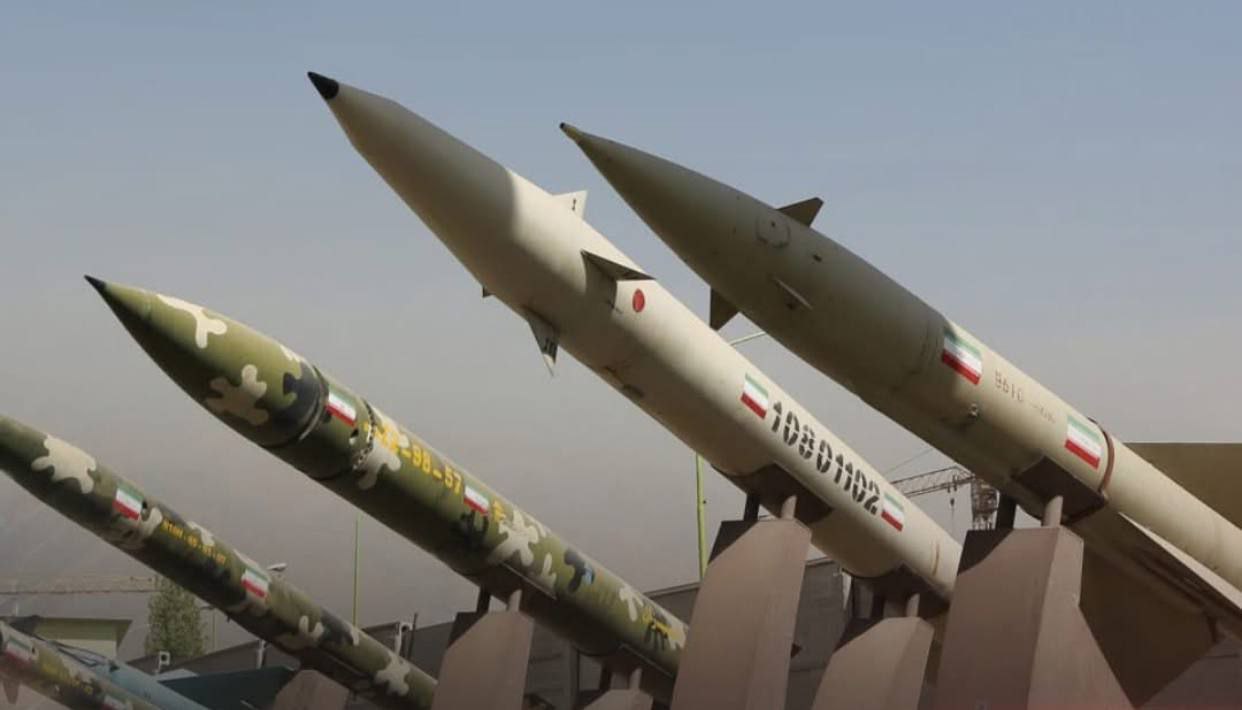
In return, the group is likely to seek to retain its high-value capabilities — particularly missiles, drones, communications networks, and special-operations groups — at undeclared sites or through formations operating under different names.
This approach would let Kata’ib Hezbollah claim it has cooperated with the state without losing its full capacity to resume military activity should circumstances change.
Kata’ib Hezbollah’s Options
The group has four principal options:
1. Conditional settlement: handing weapons to the PMF, not to the army or Counter-Terrorism Service, in exchange for guarantees against dismantling its organizational structure or prosecuting its leaders. This option is viable if the handover is framed as “organizing the weapons of the Resistance” rather than disarming it.
2. Stalling: seeking an extension of the deadline or the formation of joint committees to catalogue weapons, turning September 30 from an implementation date into the start of prolonged negotiations — the least costly option and the one most consistent with the experience of previous Iraqi governments.
3. Retreat into clandestine activity: lowering its public profile and shifting part of its capabilities into smaller cells, using front names to carry out future operations, making it harder to establish direct responsibility and giving it plausible deniability.
4. Limited escalation: if the government attempts to storm sensitive premises or arrest senior commanders, the group could respond by encircling government sites, carrying out an armed show of force, or striking security targets on a limited scale, aiming to force the government to back down without sliding directly into full-scale war.
2. Harakat al-Nujaba: Ideological Refusal and Disruptive Capacity
Harakat Hezbollah al-Nujaba, led by Akram al-Kaabi, is among the factions most explicit in rejecting disarmament. The movement presents itself as part of a cross-border “Resistance,” and does not confine its role to defending Iraqi territory or fighting ISIS.
The movement took part in military operations inside Syria and has adopted rhetoric centered on confronting the American presence and supporting Iran-aligned forces across the region. Fully subordinating it to Iraqi security priorities therefore conflicts with a core part of its organizational identity.
The movement is formally linked to the PMF’s 12th Brigade, though its presence within the PMF does not negate its independent structure and leadership. This model illustrates the problem facing the government: the movement is legally recognized through its official brigade, yet it simultaneously maintains a political and military project that extends beyond the institution to which it belongs.
Representatives of the movement have linked any willingness to give up weapons to the end of the American presence, foreign overflights, and interference in Iraqi decision-making. The flexibility of these conditions allows the movement to continue refusing handover even after the coalition mission ends, by arguing that American military or intelligence influence has not fully disappeared.
Al-Nujaba is unlikely to be the first faction to enter an individual settlement, since that would weaken its standing among the “Resistance” public. It might, however, accept a collective agreement if Kata’ib Hezbollah takes part and the factions secure adequate Iranian and Iraqi guarantees.

Harakat al-Nujaba’s Options
5. Aligning with Kata’ib Hezbollah’s position and rejecting any individual handover.
6. Accepting an administrative transfer of weapons to the PMF while retaining internal command.
7. Shifting part of its personnel and capabilities into lower-profile formations.
8. Using its political and media wing to attack the government and accuse it of submitting to the United States.
9. Mobilizing supporters for protests or sit-ins near official institutions.
10. Returning to limited operations under unknown names if its leaders or interests come under attack.
Al-Nujaba appears more prepared than some other factions to withstand political isolation, but it may be less able than Kata’ib Hezbollah to sustain a prolonged confrontation with state institutions without direct factional and Iranian support.
3. Kata’ib Sayyid al-Shuhada: Between Hardline Rhetoric and Room for Settlement
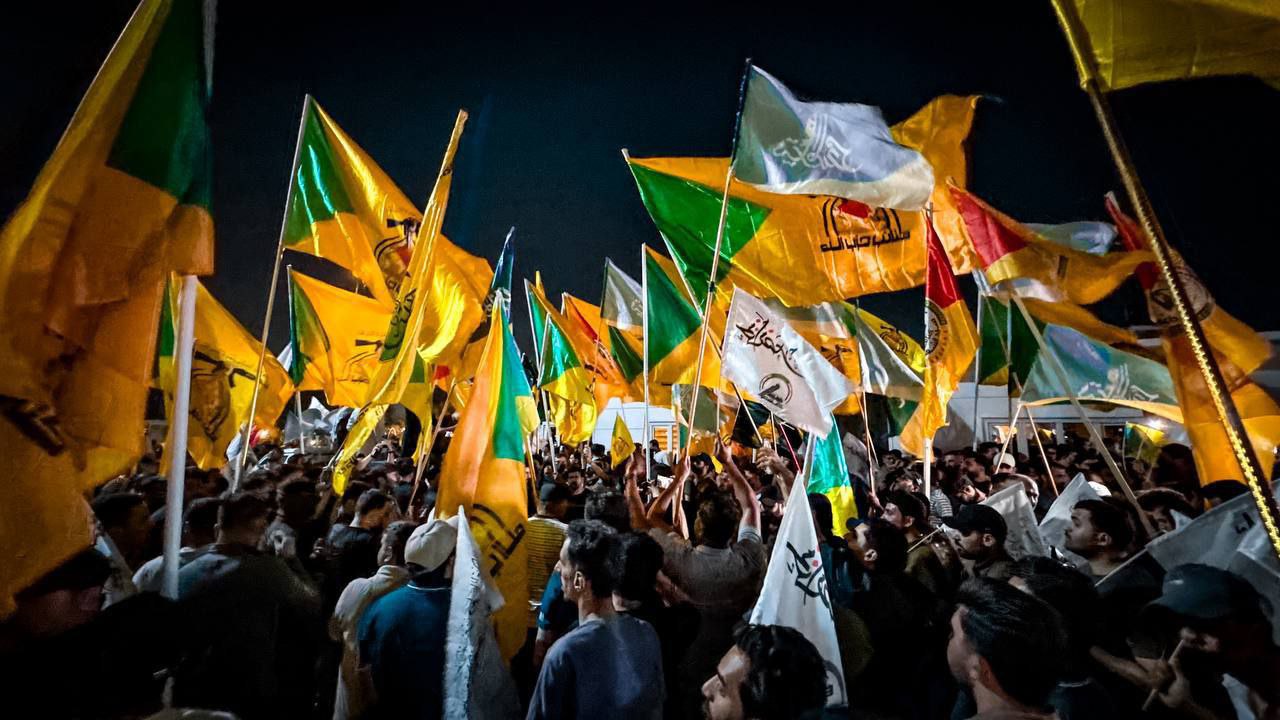
Kata’ib Sayyid al-Shuhada was founded in 2013 and is linked within the PMF to the 14th Brigade. It has fought inside both Iraq and Syria, and has maintained a close relationship with Iran’s Islamic Revolutionary Guard Corps and factions of the “Axis of Resistance.”
Led by Abu Ala al-Walai, the group has taken a position rejecting the handover of weapons, presenting the continuation of its military capabilities as necessary to confront external threats. Platforms linked to the group, under the banner of the “Resistance Coordination Committee,” have also announced a clear stance titled “no handover of weapons.”
Even so, the group’s position appears more open to negotiation than that of Kata’ib Hezbollah and al-Nujaba, a fact tied to Abu Ala al-Walai’s relationships with forces inside the Coordination Framework and his ability to move between military rhetoric and political engagement.
The group may choose to present itself as a mediator between the government and the more hardline factions, preserving its place within the “Resistance” axis while avoiding external targeting or internal prosecution.
Accepting negotiation does not mean readiness for full dismantlement. The more realistic scenario for the group is bringing its weapons into PMF depots while preserving the 14th Brigade, its personnel, commanders, and sources of influence.
Kata’ib Sayyid al-Shuhada’s Options
11. Reaching an early agreement with the government, framed as “organizing the weapons” rather than disarmament.
12. Handing over part of its drones and heavy weapons while retaining individual arms.
13. Integrating its combat units more broadly within the PMF.
14. Playing a mediating role between the government and Kata’ib Hezbollah/al-Nujaba.
15. Reverting to full refusal if it judges that the government is targeting the factions’ existence rather than merely unauthorized weapons.
The prospects for a settlement with Kata’ib Sayyid al-Shuhada rise if it secures guarantees against the prosecution of its leaders or interference with its resources and influence within the PMF. But should Washington impose conditions involving the group’s dismantlement or the arrest of its leaders, its position could shift quickly from negotiation to escalation.
4. Harakat Ansar Allah al-Awfiya: A Smaller Faction Within the Refusal Network
Harakat Ansar Allah al-Awfiya is linked to the PMF’s 19th Brigade and has a known political wing called the Sidq wal-Ataa movement/entity. It is part of the network of Iran-aligned factions, and has previously been linked to military activity against American and coalition forces.
The movement does not carry the same military and political weight as Kata’ib Hezbollah, but it draws part of its strength from its relationship with the larger factions and its official presence within the PMF.
The United States has designated it, along with Harakat al-Nujaba and Kata’ib Sayyid al-Shuhada, a Foreign Terrorist Organization since September 2025 — a designation that increases the pressure the Iraqi government could face and constrains the movement’s ability to operate financially and politically in the open.
The movement’s position leans toward rejecting disarmament and holding to the rhetoric of the “sanctity of the weapons of the Resistance.” Even so, its ability to confront the government alone remains limited, and it will therefore depend heavily on the positions of Kata’ib Hezbollah and al-Nujaba.
If the larger factions reach a settlement, the movement is likely to join it. If a unified front of refusal forms instead, it may play a supporting role within the PMF, in protests, and in lower-visibility operations.
5. Do the Refusers Form a Unified Front?
Despite similarities in rhetoric among the four factions, the formation of a unified front against the government is not guaranteed. The factions differ in their degree of integration with official institutions, the scale of their economic interests, their relationships with political forces, and their readiness to confront the United States or the Iraqi government.
The government may seek to exploit these differences by negotiating with each faction separately, offering guarantees and concessions to the more flexible ones in order to isolate Kata’ib Hezbollah and al-Nujaba.
This strategy poses a risk for the hardline factions, which could find themselves facing two options:
• Accepting a partial settlement after losing their allies.
• Retreating into clandestine activity and raising the level of security threat.
Kata’ib Hezbollah, for its part, may work to prevent individual agreements, since the fragmentation of the refusal front would make it the government’s — and Washington’s — primary target.
6. How Might the Disputes Evolve After the Deadline?
A direct jump from negotiation to war is unlikely. The crisis is more likely to pass through graduated stages, with the possibility of retreat or escalation to a higher stage depending on how the parties respond.
Stage One: Political and Media Escalation
The confrontation is likely to begin through statements, rhetoric, and pressure inside parliament and government. Political forces linked to the factions may use their tools to obstruct the budget, security appointments, or legislation the government needs.
The government could also be accused of carrying out an American project targeting the PMF as a whole, even if it insists it is targeting only factions operating outside official command. The aim of conflating the two concepts is to widen the base of objection and shift the issue from a dispute with specific factions into a confrontation touching the PMF institution and its constituency.
Stage Two: Street Mobilization and Pressure on Institutions
If the government begins closing offices or confiscating weapons, the factions may organize protests and sit-ins under the banner of “defending the PMF” or “rejecting American interference.”
These actions could include:
• Gatherings near the Green Zone.
• Blocking major roads in Baghdad or the southern provinces.
• Encircling government institutions.
• Unofficial armed shows of force.
• Using religious occasions or funeral processions to mobilize supporters.
The goal would be to pressure the government and demonstrate that the cost of security enforcement exceeds the cost of retreat or prolonging negotiations.
Stage Three: Limited Security Insubordination
Some units affiliated with the factions may refuse to carry out PMF orders regarding vacating positions or handing over weapons. This would mark the first real test of the authority of the PMF chief and the Commander-in-Chief of the Armed Forces.
Insubordination could take the form of delaying orders, moving weapons before inspection committees arrive, or preventing government forces from entering certain sites. Limited friction could occur at checkpoints and premises without a central decision to confront.
Stage Four: Covert Pressure and Assassinations
If the dispute escalates, unknown networks may threaten or target individuals involved in implementing the disarmament plan, such as PMF and army officers, members of government committees, judges, and activists supporting arms consolidation.
Tools of covert pressure could include:
• Threatening messages to officers and officials.
• Defamation campaigns and leaks of personal information.
• Attacks on homes or offices with sound bombs or limited explosive devices.
• Selective assassinations.
• Cyberattacks on state institutions.
• Sabotage of depots or documents linked to the consolidation process.
The aim would be to weaken the will to implement from within the institutions, without entering open military confrontation.
Stage Five: Limited Clashes
Clashes could occur if a government force attempts to arrest a senior commander or seize a strategic missile and drone depot. Confrontation could begin at a single site and spread to other areas if allied factions intervene.
All parties, however, would generally seek to contain any clash quickly, since its expansion within Baghdad or the southern provinces could trigger a Shia-Shia conflict threatening the entire political system.
Religious authorities, Coordination Framework leaders, and Iran could intervene to reach a ceasefire, followed by a new agreement or an unannounced extension of the deadline.
Stage Six: Broader Confrontation
The probability of a wide-scale military confrontation remains low, but it could rise under three conditions:
16. Sweeping arrests of faction leaders.
17. American or other external strikes carried out in coordination with, or based on intelligence from, the Iraqi government.
18. Government insistence on dismantling the factions politically and economically, not merely collecting their weapons.
If the confrontation expands, it would not necessarily take the shape of a conventional war between the army and the factions. It could instead take the form of scattered attacks on bases, airports, the Green Zone, and energy infrastructure, running alongside assassinations and political and media unrest.
The greatest danger lies in the potential fracturing of the official institutions themselves, given the presence of personnel and commanders close to the factions inside some security bodies. This could lead to leaked orders and advance warnings to the factions, or the refusal of some units to take part in operations.
Potential Repercussions for Iraq
A crisis within the Shia political house.
The file could evolve into a split between Shia forces favoring protection of the state and avoidance of sanctions, and others who see disarmament as an attack on the axis of resistance. The split would not be military from the outset, but could reshape governing and electoral alliances.
Government paralysis.
Forces linked to the factions could use parliament and ministries to obstruct the government’s program, including the budget, appointments, and economic reforms. The resignation of the government or a vote of no confidence could become a pressure tool if the prime minister insists on implementation.
Security tension in Baghdad and the south.
The factions’ social and political bases are concentrated in Baghdad and the central and southern provinces. Confrontation could therefore lead to protests, road and premises closures, and local clashes between faction supporters and security forces.
Rising external intervention.
If the government fails to prevent attacks launched from Iraq, the United States or affected states may move to carry out direct strikes. Iran, in turn, may increase its support for the more hardline factions or rely on small cells directly linked to it.
ISIS taking advantage.
ISIS could benefit from Iraqi forces and the PMF being consumed by internal conflict, particularly in desert and border regions. The redeployment or withdrawal of PMF units from some areas could also create temporary security gaps.
Preliminary Assessment
The most likely scenario is continued public refusal alongside secret negotiations leading to a partial settlement. Some factions will hand over part of their weapons or transfer them to the PMF, while the more hardline formations retain covert capabilities.
A shift toward assassinations or limited clashes remains a moderate possibility should the government attempt actual arrests or seizures. A full-scale military confrontation remains a low probability, but an extremely dangerous one if government pressure coincides with external strikes or a split within the PMF.
The principal risk after September 30 may therefore not be the outbreak of direct war, but rather Iraq entering a prolonged phase of low-level security tension, undeclared insubordination, proliferating clandestine cells, and conflict within state institutions.
Expected Scenarios After September 30
The end of the deadline is unlikely to represent an immediate point of resolution, but rather the start of a new phase of negotiation, pressure, and the reshaping of the factions’ relationship with the state. Four principal scenarios can be identified, ranked by likelihood:
Scenario One: Partial Settlement and Reorganization of Weapons
Probability: High
This is the most likely scenario. It involves a number of factions announcing the handover of part of their weapons, or their transfer to PMF-affiliated depots, along with the integration of some units and personnel into official formations.
In return, the factions would receive guarantees against the dismantling of their political wings or the prosecution of their leaders, while the more hardline formations retain part of their high-value capabilities at undeclared sites.
Indicators this scenario is unfolding:
• Formation of joint committees between the government, the PMF, and the factions.
• Gradual, non-public handover of weapons and premises.
• Use of the term “organizing the weapons” rather than “disarming.”
• A retreat in escalatory rhetoric alongside continued negotiations.
• No sweeping arrests of faction leaders.
Scenario Two: A De Facto Extension and Continuation of the Status Quo
Probability: Medium to High
September 30 could pass without a formal announcement of extension, while negotiations continue under headings such as cataloguing weapons, registering personnel, and redeployment. The deadline would thereby become a political milestone rather than a binding date for implementation.
This scenario allows the government to avoid confrontation, but weakens its credibility and gives the factions time to move weapons, conceal high-value capabilities, and restructure their organizations.
Indicators this scenario is unfolding:
• Absence of a clear implementation plan after the deadline lapses.
• Continued meetings without new timetables.
• The government avoiding naming the refusing factions.
• Closure of limited premises without touching the core structure.
• Continuation of weapons and military deployment in a less visible form.
Scenario Three: Security Pressure and Limited Clashes
Probability: Medium
The government may resort to selective measures against a specific faction or site to demonstrate its seriousness — such as seizing a weapons depot, arresting a field commander, or closing an unlicensed premises. This could be met with an armed show of force, protests, or limited clashes.
Political forces, religious authorities, and Iran are likely to intervene to contain the confrontation before it widens, followed by a new settlement on different terms.
Indicators this scenario is unfolding:
• Arrest warrants issued against field leaders or officials.
• Government force movements near faction premises.
• Armed mobilization inside Baghdad or the southern provinces.
• Threats against officers and members of the committees responsible for arms consolidation.
• An uptick in unclaimed attacks against government institutions.
Scenario Four: Broad Confrontation and Fracture Within Security Institutions
Probability: Low, but with severe consequences
This scenario could materialize if the government attempts to dismantle the factions by force, carries out sweeping arrests, or its measures coincide with American or other external strikes on faction sites and leaders.
The confrontation could take the form of scattered clashes, drone and missile attacks, and assassinations, alongside political unrest and a split within some PMF formations and security bodies.
Indicators this scenario is unfolding:
• Collapse of negotiation channels between the government and the factions.
• Movement of heavy weapons into Baghdad and the area around the Green Zone.
• Division among brigades or leaderships within the PMF.
• Attacks on airports, bases, and energy infrastructure.
• Direct Iranian or American intervention in the course of the confrontation.
Strategic Assessment and Conclusion
The study assesses that the September 30 deadline will not lead to the comprehensive disarmament of the Iraqi factions, but it may succeed in reducing their open military visibility and bringing part of their weapons and premises under PMF control.
The government’s genuine achievement will hinge on its ability to shift the decision to use weapons to the Commander-in-Chief of the Armed Forces, not merely on moving weapons from faction depots to officially labeled ones. If command, funding, and external-liaison networks continue operating independently, the process will amount to a reorganization of weapons rather than actual disarmament.
As for the factions, they are likely to try to avoid a comprehensive confrontation that could threaten their political and economic existence. They are therefore expected to accept limited concessions while retaining covert capabilities that preserve their deterrence and their ability to return to military activity should circumstances change.
For Iran, a partial settlement would not necessarily mean losing its influence in Iraq. Tehran may accept a lower public military profile for the larger factions in exchange for preserving loyal leaderships and units specialized in missiles, drones, and covert operations.
Government success in bringing weapons under state command would give Iraq an opportunity to strengthen its sovereignty, reduce external strikes, and improve relations with the United States and Gulf states. Failure, on the other hand, would entrench the duality of power and confirm that official institutions remain unable to monopolize military decision-making.
The danger of the post-September 30 period, then, does not lie solely in the possibility of a direct internal war, but in the continuation of a more complex intermediate condition: less visible factions, more clandestine cells, and weapons carrying an official cover while the decision to use them remains outside the state.
The study concludes that September 30 will not mark the end of the factions’ weapons, but rather a test of the Iraqi state’s ability to convert its legal legitimacy into actual authority. The success of the process will be measured by where the order to use weapons originates — not by where those weapons are stored.
Syria Monitor | Strategic Research Center
Indicators & Data | Regional Monitoring | Security Analysis | Strategic Studies